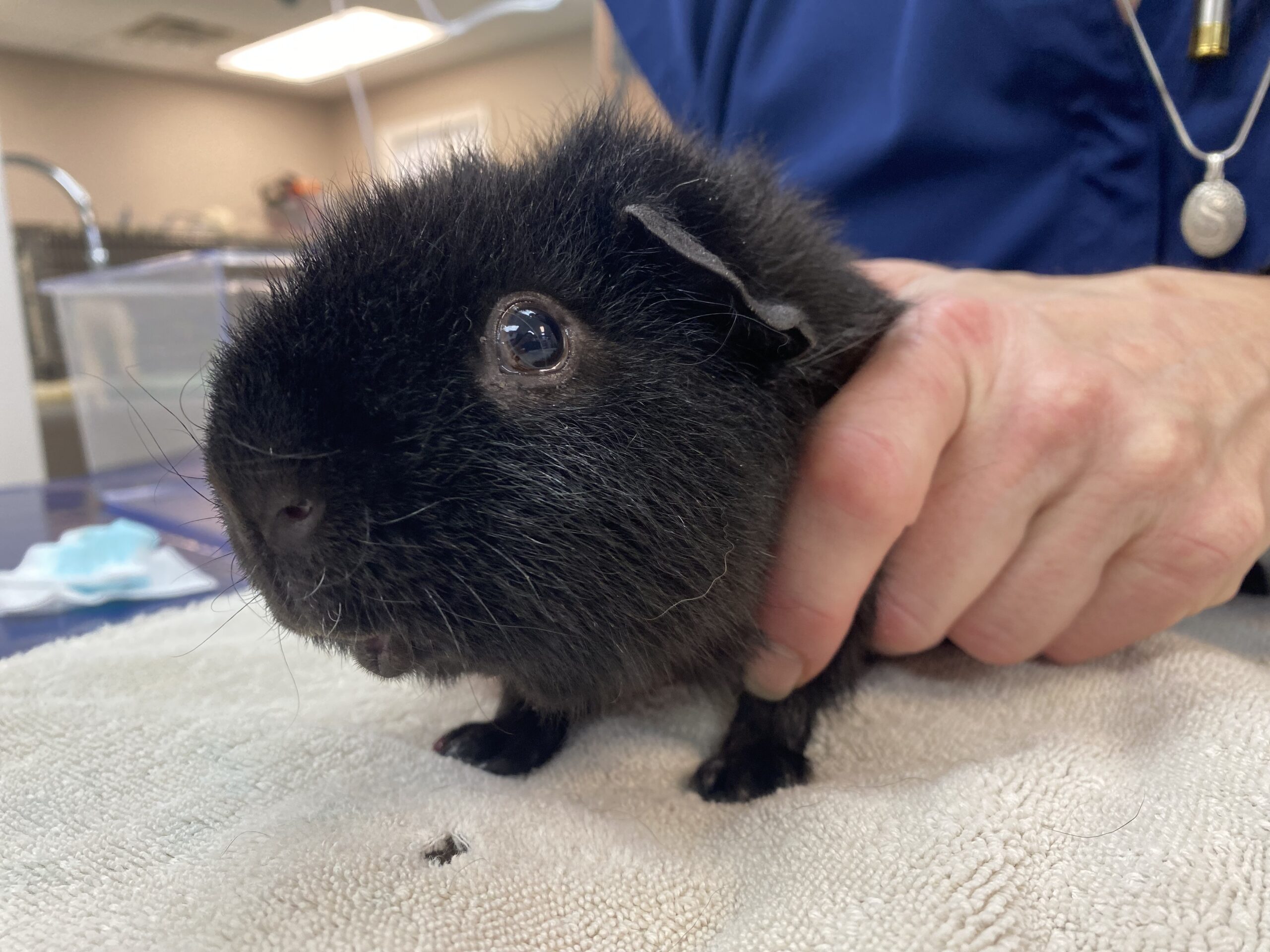

The holidays are a wonderful time to welcome a new puppy or kitten into your home, however, along with the excitement, there’s also some uncertainty. At Animal Hospital at Thorndale, we meet new pet parents every year who are eager to do everything right but aren’t always sure where to begin. The truth is, there’s no such thing as perfect pet parenting. What matters most is beginning with the right foundation and we are here help.
The first thing we recommend after bringing your new pet home is scheduling a veterinary visit within the first week. Even if your puppy or kitten came with medical records from a breeder, rescue, or shelter, that first appointment allows us to perform a thorough physical exam and make sure everything looks healthy.
It’s also a chance to review vaccines, discuss parasite prevention, talk about nutrition, and answer the many questions new pet parents often have. Early care helps catch small issues before they become larger concerns and allows us to tailor a plan specifically for your pet.
Puppies and kittens have developing immune systems, which makes timely vaccinations and preventive care especially important. These early months are when they are most vulnerable to contagious diseases and parasites. Following a recommended vaccine schedule and keeping your pet protected against fleas, ticks, intestinal parasites, and heartworm disease helps set them up for a healthier life.
Nutrition also plays a major role during this time. Feeding a high-quality diet formulated specifically for puppies or kittens supports proper growth, bone development, and overall health. Sudden food changes or too many treats can cause digestive upset, so transitions should be gradual. While it can be tempting to share table food, establishing healthy feeding habits early helps prevent problems later on. If you’re ever unsure about what or how much to feed, our veterinary team at Animal Hospital at Thorndale is always a great resource.
The early weeks at home are also when behavior patterns begin to take shape. For puppies, positive social experiences with people, environments, and other dogs help build confidence and reduce anxiety as they grow. For kitties, gentle handling, playtime, and exposure to everyday household sounds can make a big difference in how comfortable they feel in new situations. Establishing routines for feeding, potty breaks, litter box use, and rest helps young pets feel secure and makes training easier for everyone involved. If you have concerns about behavior, asking early can make a huge difference, as many issues are much easier to address when pets are young.
It’s also important to take a moment to look at your home from your pet’s perspective. Puppies and kittens explore with curiosity and often with their mouths. Securing cords, keeping medications and cleaning products out of reach, removing toxic plants, and limiting access to certain areas can help prevent accidents. A little preparation now can save you from an emergency visit later.
Perhaps most importantly, give yourself and your new pet some grace during the adjustment period. Changes in sleep patterns, appetite, and behavior are completely normal as they settle into a new environment. Accidents will happen, progress may feel slow, and routines may take time to establish. Patience, consistency, and reassurance go a long way, and you don’t have to navigate it alone.
Welcoming a new puppy or kitten is the beginning of a lifelong bond. As veterinarians, our goal is to partner with you through every stage of your pet’s life, starting from those first exciting weeks at home. If you’ve recently added a new furry family member, we’d love to meet them and help you start this journey on the right paw!