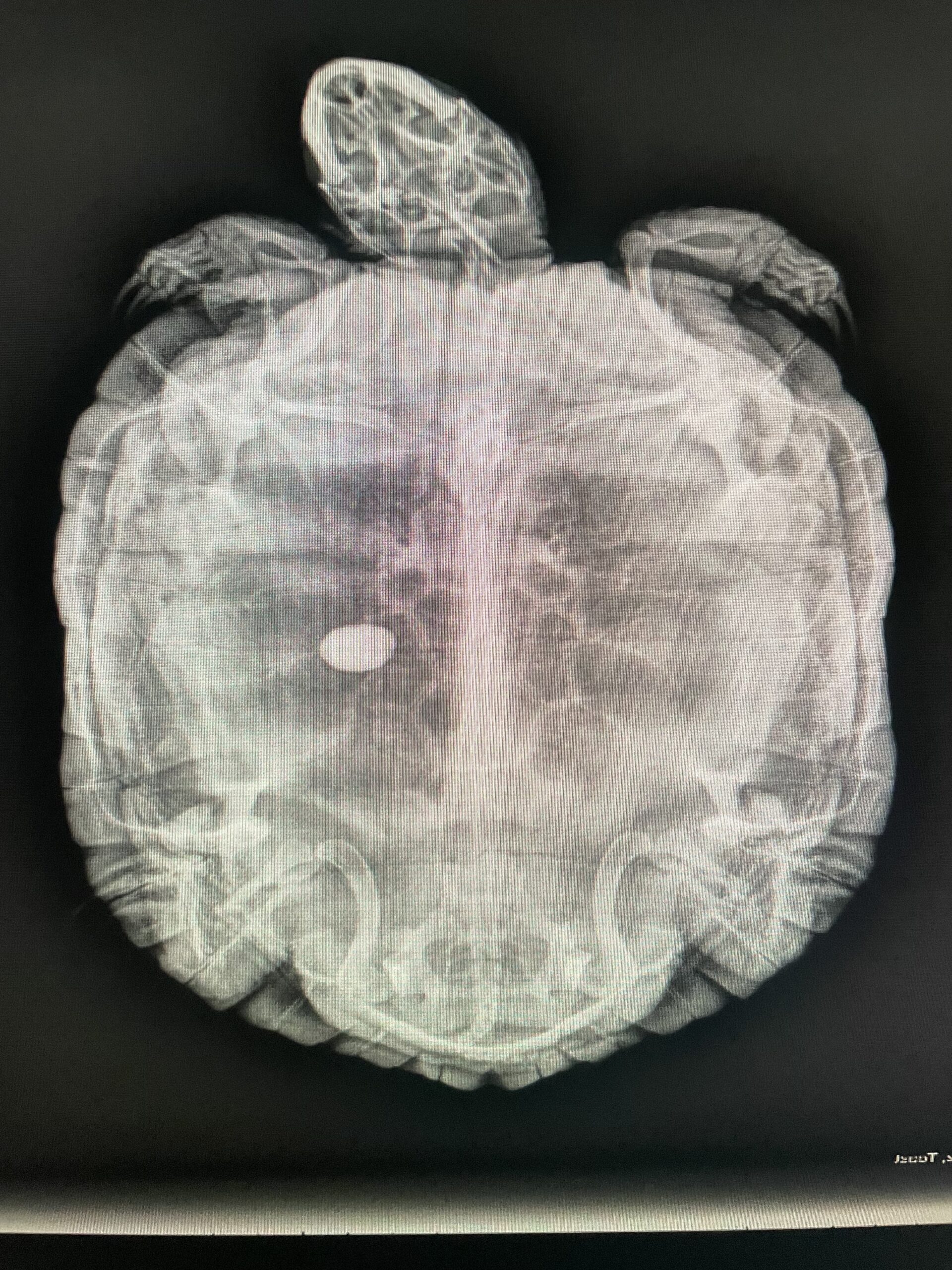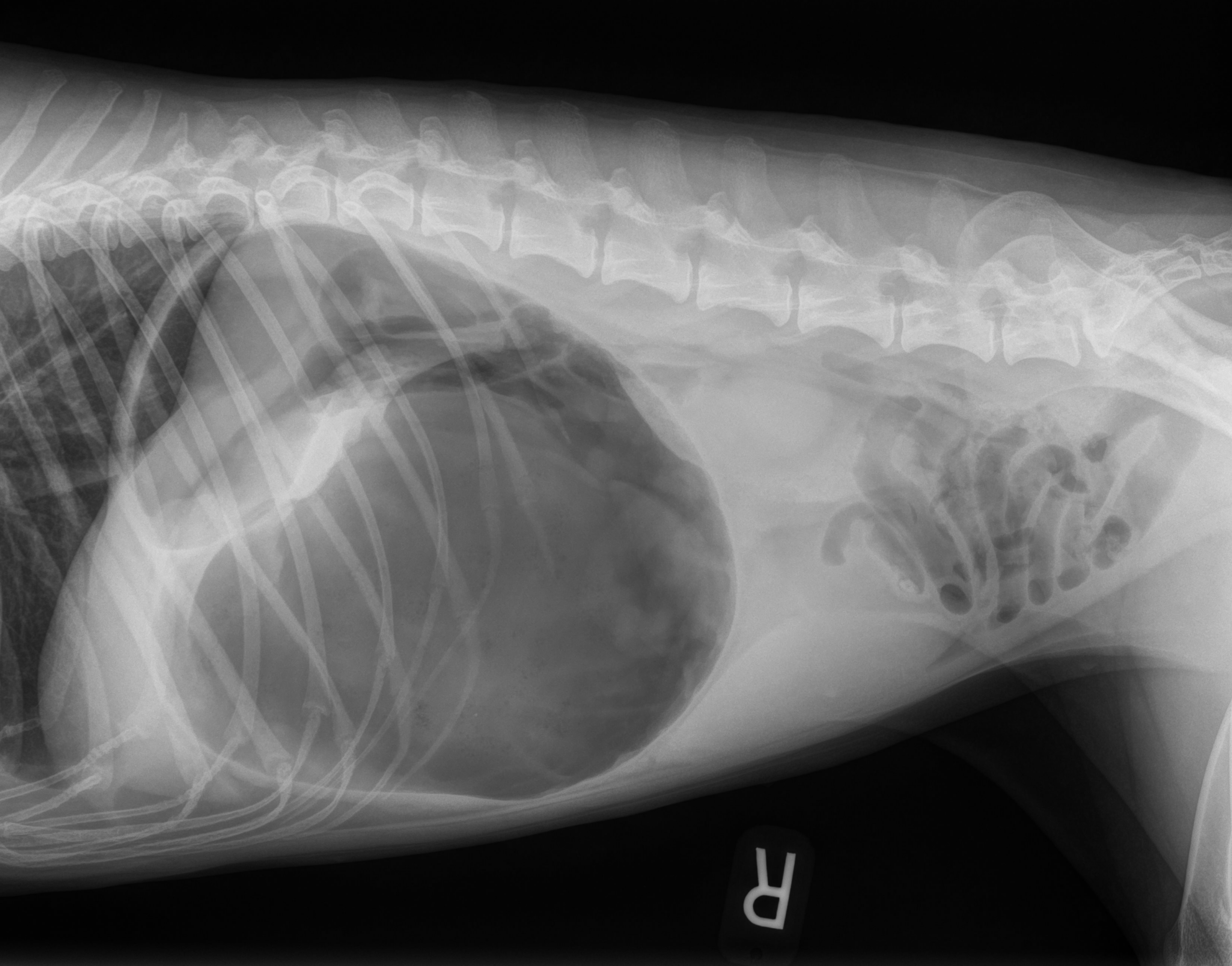
If you share your home with an exotic pet, you already know they come with a lot of personality. Rabbits, guinea pigs, birds, reptiles, and other small companions quickly become part of the family. But one thing that can make caring for them a little tricky is that they’re very good at hiding when something isn’t right.
One of the biggest things to watch for? Appetite changes.
If you have a rabbit or guinea pig, eating habits tell you a lot about how they’re feeling. If they suddenly stop eating, eat much less than usual, or you notice fewer droppings, that’s something to take seriously. Rabbits and guinea pigs rely on their digestive systems constantly moving. When that process slows down or stops, it can lead to a condition called gastrointestinal stasis, which can become dangerous quickly. Even going a day without eating normally can be a reason to have them evaluated.
Behavior changes can also be a clue!
Sometimes the first sign that something is wrong is just that your pet seems a little “off.” Maybe your bird is quieter than usual. Maybe your guinea pig is hiding more or not greeting you the way they normally do. Maybe your reptile seems unusually lethargic. These kinds of subtle behavior changes are often easy to miss, but they can be early indicators that something isn’t quite right.
Breathing changes should also be checked out. If you ever notice open-mouth breathing, wheezing, nasal discharge, or labored breathing. Respiratory issues can progress quickly in small animals, and early treatment can make a big difference.
Exotic pets can develop a variety of medical issues, and sometimes the signs are small at first. Things like weight loss, swelling, injuries, abnormal droppings, feather loss in birds, or changes in skin or scales can all be signs that something needs attention.
Some of the medical conditions we see in exotic pets include:
- Dental disease
- Parasites
- Metabolic bone disease
- Nutritional deficiencies
- Reproductive issues
The good news is that when problems are caught early, treatment is often much more manageable.
At Animal Hospital at Thorndale, we see a variety of exotic pets including rabbits, guinea pigs, birds, and reptiles. Many of these patients are seen by Dr. Principati, who enjoys working with the wide range of species that fall under the exotic category. Every species is a little different, which is part of what makes exotic animal medicine so interesting. Diet, environment, lighting, and enclosure setup can all play a role in their health, so those conversations are often part of the visit as well.
If something about your pet’s behavior, appetite, or energy level doesn’t feel right, it’s always okay to reach out and have them checked. Exotic pets may be different, but they deserve the same thoughtful medical care as any other animal. And sometimes, catching a problem early is the best thing you can do for them.