By: Ayanna Revnell, Certified Veterinary Nurse Animal Hospital at Thorndale
Have you ever brought your pet in for a routine checkup and heard your veterinarian say, “I hear a heart murmur”? If so, you’re not alone and though the words “heart murmur” can sound scary, they don’t always mean your pet has serious heart disease. This article will explain heart murmur in dogs and cats, why they happen, and what they could mean for your furry family member.
First Things First: What Is a Heart Murmur?
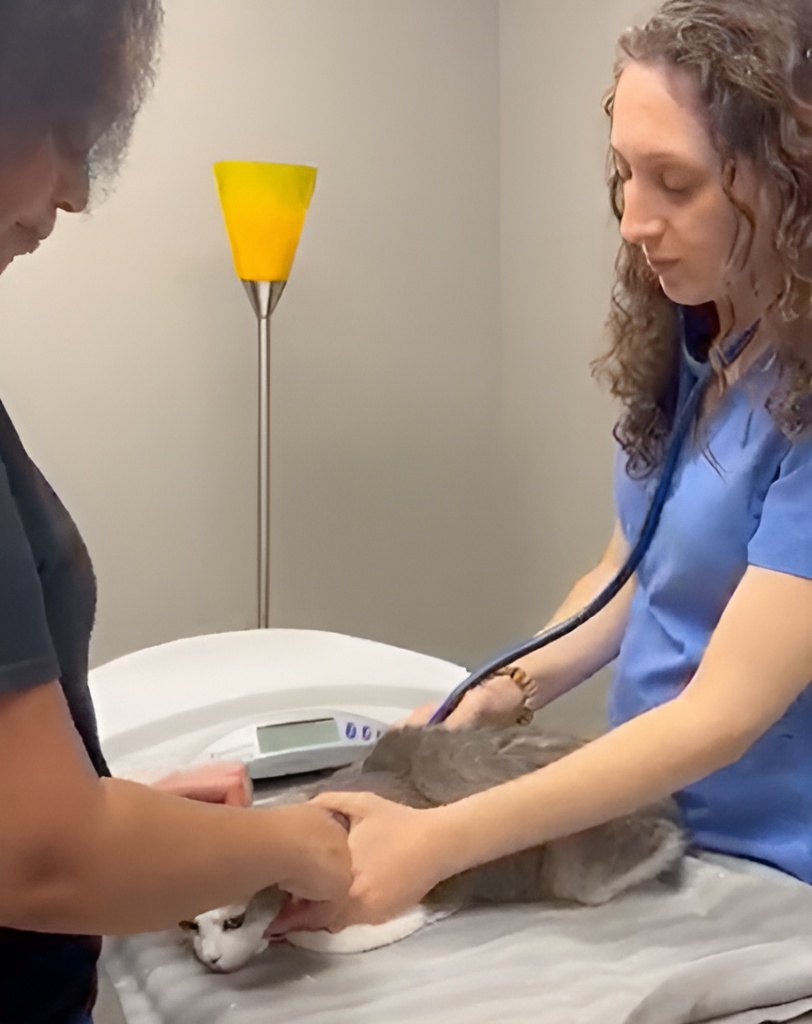
A heart murmur isn’t actually a disease, it’s a sound. When your veterinarian listens to your pet’s heart with a stethoscope, they expect to hear the normal rhythm often described as “lub-dub, lub-dub.” A heart murmur in dogs and cats occurs when blood flow through the heart becomes turbulent. This turbulence creates an extra sound that may resemble a “whoosh,” “swoosh,” or swishing noise between those normal heartbeats.
Think of it like a river. When water flows smoothly, it’s quiet. When it hits rocks or obstacles, it becomes noisy and turbulent. The same thing can happen with blood moving through the heart.
How Does a Normal Heart Work?
Your pet’s heart is an incredible pump made up of four chambers: Right Atrium, Right Ventricle, Left Atrium, Left Ventricle. Between these chambers are valves that act like doors, opening and closing to keep blood moving in the correct direction.
Blood travels through the body, enters the right side of the heart, goes to the lungs to pick up oxygen, returns to the left side of the heart, and is then pumped back out to the rest of the body. This process repeats thousands of times every day. The familiar “lub-dub” sound comes from these valves closing properly as blood moves through the heart.
Why Do Heart Murmurs Happen?
Heart murmurs typically occur for one of four main reasons:
1. Abnormal Valve Shape or Size
Sometimes a valve doesn’t develop normally or becomes damaged over time.
2. Obstruction of Blood Flow
A narrowing in a valve or chamber can make it harder for blood to move smoothly.
3. Leaky Valves
If a valve doesn’t close completely, blood can flow backward, creating turbulence.
4. Abnormal Openings in the Heart
Some pets are born with small openings between heart chambers that alter normal blood flow.
Not All Heart Murmurs Are Dangerous
Here’s some good news: not every heart murmur indicates heart disease. Some pets can have what’s called an “innocent” or benign heart murmur. This is an especially common type of heart murmur in cats.
These murmurs occur without any underlying heart condition and may come and go over time. Because innocent murmurs can sound similar to those caused by heart disease, additional testing, especially an echocardiogram (heart ultrasound), is often needed to determine what’s really going on.
How Are Heart Murmurs Graded?
Veterinarians grade heart murmurs on a scale of 1 to 6 based on how loud they are.
Grade I is very soft and difficult to hear. Grade II is soft but easily heard with a stethoscope. Grade III is moderately loud and easily detected. Grade IV is loud and heard on both sides of the chest. Grade V is very loud and can be felt as a vibration when touching the chest. Grade VI is extremely loud and may be heard even when the stethoscope is slightly off the chest wall.
It’s important to remember that a louder murmur does not always mean a pet feels worse, but it often indicates more significant changes in blood flow that warrant further evaluation.
What Signs Should Pet Owners Watch Out For?
Many pets with heart murmurs act completely normal, especially in the early stages. However, some pets may develop symptoms such as:
- Coughing
- Decreased energy or lethargy
- Exercise intolerance
- Increased breathing effort
- Weight loss
- Reduced appetite
- Weakness, collapse, or fainting episodes.
If you notice any of these signs, contact Animal Hospital at Thorndale promptly.
How Are Heart Murmurs Diagnosed?
Most heart murmurs are first discovered during a routine physical examination, which is one of the many reasons annual wellness visits are so important. Once a murmur is detected, we may recommend additional testing to determine the cause.
Chest X-Rays allow us to evaluate heart size and assess the lungs for fluid buildup or other abnormalities. Electrocardiogram (ECG) measures the heart’s electrical activity and can identify abnormal rhythms. Blood work can detect certain diseases, such as anemia, heartworm disease, or thyroid disorders, which can place additional stress on the heart and contribute to murmurs.
Echocardiogram (Heart Ultrasound) is considered the gold standard for evaluating heart murmurs. It allows veterinarians to see the heart in motion and assess blood flow, valves, and chamber size.
How Are Heart Murmurs Treated?
Heart murmur treatment depends entirely on the underlying cause. Some pets simply need routine monitoring every 6-12 months to ensure the murmur isn’t progressing. Others may require medications that help the heart pump more efficiently or reduce stress on the cardiovascular system. In some cases, dietary changes may also be recommended to help support heart health.
Every pet’s treatment plan is unique, which is why proper diagnostics are so important.
How We Help at Animal Hospital at Thorndale
Our goal is to provide compassionate, individualized care for every patient while helping pet owners feel informed and supported every step of the way.
When a heart murmur is detected, we often recommend consultation with a veterinary cardiologist whenever possible, as they specialize in diagnosing and managing heart disease. However, we understand that specialty care isn’t always immediately accessible.
If scheduling challenges or financial concerns arise, our team works closely with families to develop a plan that fits their pet’s needs. This plan may include diagnostics such as chest radiographs, ongoing monitoring, medication management, and regular recheck examinations.
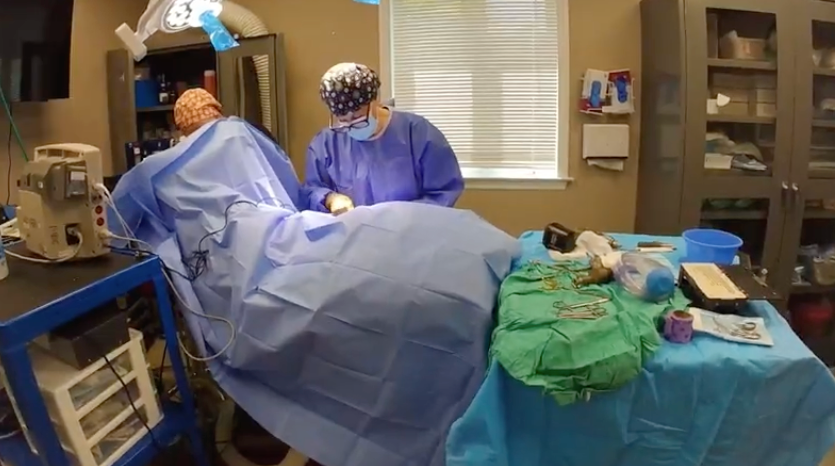
For pets needing elective procedures such as dental cleanings or mass removals, identifying a heart murmur beforehand allows us to take extra precautions and make the safest recommendations possible.
Heart Murmur in Dogs and Cats: The Takeaway
A heart murmur is not a diagnosis, it’s a clue. Sometimes it’s completely harmless. Other times, it’s the first sign that your pet’s heart needs a little extra attention.
The good news is that many heart conditions can be successfully managed when detected early. That’s why regular wellness examinations are so important. Even when your pet seems perfectly healthy, those yearly visits allow us to catch changes early and help keep tails wagging and purrs coming for years to come.
If you have questions about heart murmurs or your pet’s heart health, our team at Animal Hospital at Thorndale is always happy to help.