What is Feline Stomatitis?
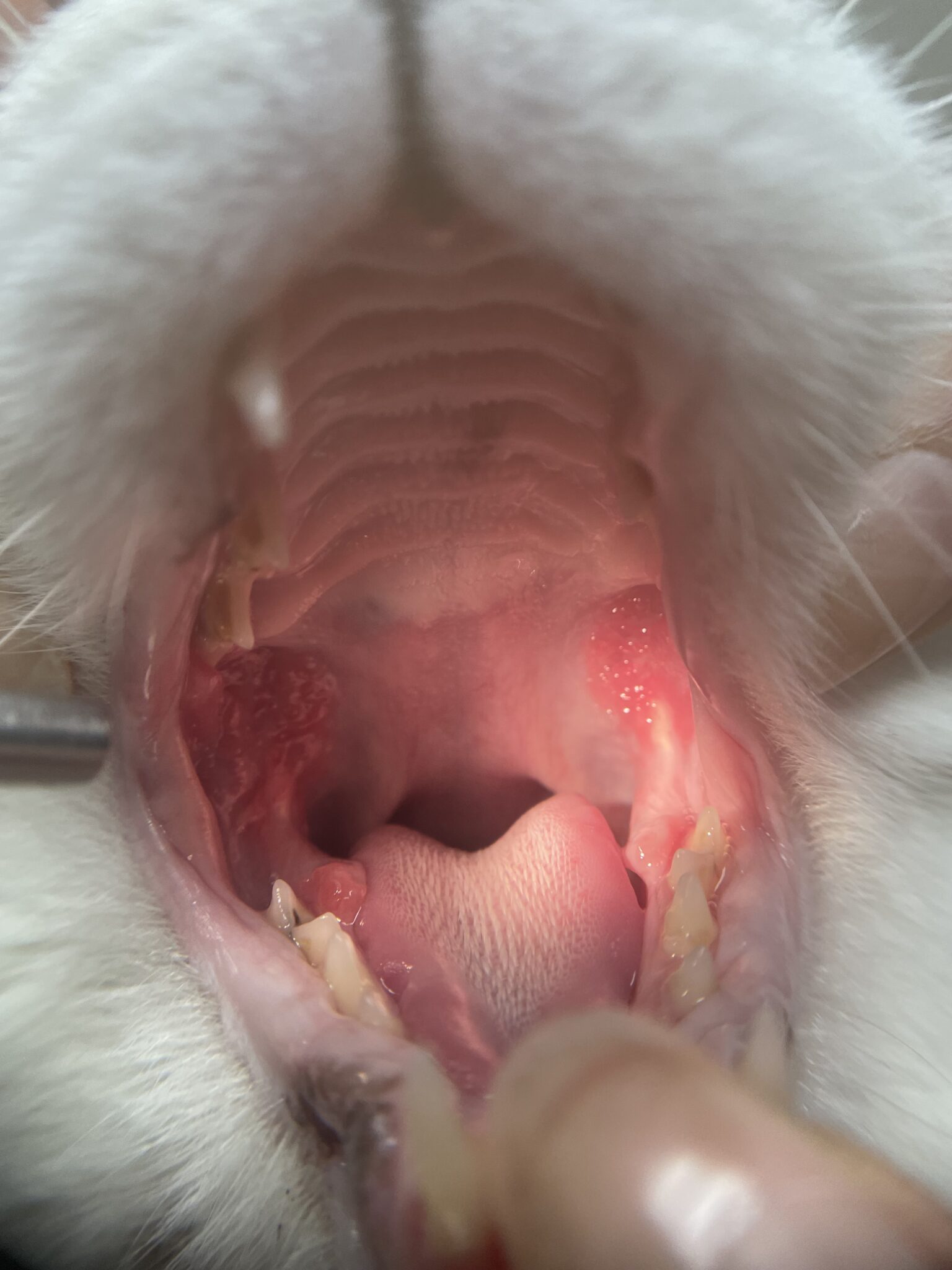
Feline stomatitis is a condition in which a cat’s entire mouth has severe inflammation, including inflammation of the gums, roof of the mouth, and tongue.
What Causes Feline Stomatitis?
While the exact cause of feline stomatitis is unknown, it is thought to be caused by an abnormal, hyper immune system response. This exaggerated immune response may be triggered by a virus, or by plaque on the teeth, meaning that the mouth is having an overreaction to its own teeth due to the bacteria found on them.
What Are the Signs?
Cats with feline stomatitis may have bad breath, excessive drooling, and oral pain that causes difficulty eating, decreased grooming and weight loss. You may also notice that your cat has redness in the mouth, especially where the teeth meet the gums.
How is Feline Stomatitis Diagnosed?
A veterinarian can diagnose feline stomatitis with an oral examination. Dental x-rays can be taken under general anesthesia to assess any damage to tooth roots. Additionally, a biopsy of inflamed gum tissue can be used to definitively diagnose stomatitis and rule out other oral diseases.
How is Feline Stomatitis Treated?
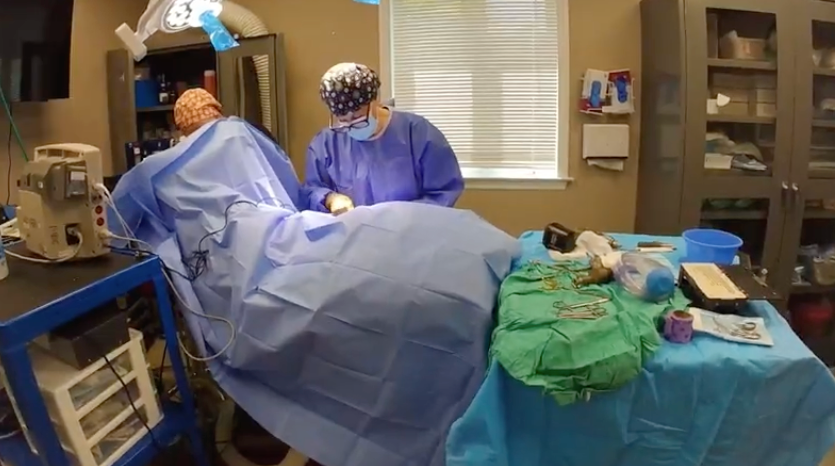
Because feline stomatitis is thought to be caused by the body’s overreaction to plaque, treatment options include ways to decrease plaque buildup. Sometimes, at home therapies such as daily tooth brushing and oral rinses can help reduce plaque. In most cases, however, some or all teeth may need to be extracted, or removed, after a thorough oral exam with dental x-rays under anesthesia. Oral medications that alter the immune system, such as steroids, can also be used to help reduce the body’s immune response.
What is the Prognosis for Feline Stomatitis?
Removing affected teeth and a thorough dental cleaning can improve the discomfort caused by stomatitis, and cats can live a happy healthy life without some or most of their teeth.
Concerned about your feline friend’s oral health? Call Animal Hospital at Thorndale today to schedule a visit!